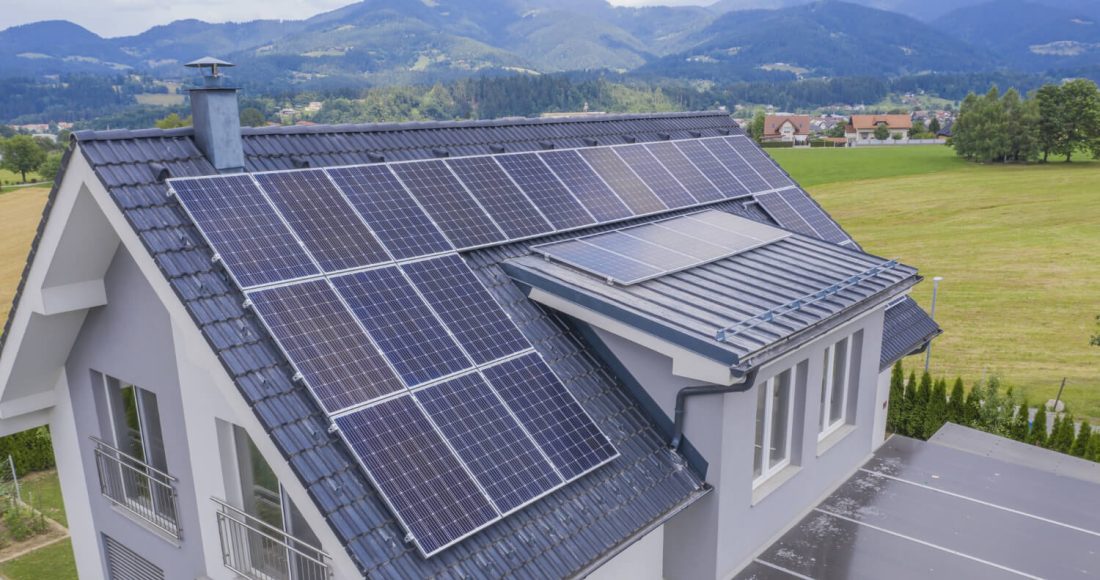

In today’s rapidly evolving housing market, technology is no longer limited to smart thermostats and AI-powered security systems. One of the biggest transformations is happening above our heads — literally. Roofing systems and integrated solar solutions have become critical components of modern home innovation, especially in coastal regions where climate conditions demand resilience and efficiency.
For homeowners in Florida and other hurricane-prone areas, professional roof repair in Naples services are not just about fixing leaks — they are about protecting long-term property value, improving energy efficiency, and reinforcing structural durability. At the same time, working with experienced solar panel installation companies ensures that renewable energy systems are seamlessly integrated into the roofing infrastructure.
As technology advances, the line between construction and clean energy continues to blur.
The Roof: From Basic Protection to Smart Infrastructure
Traditionally, a roof served a simple purpose: shelter from rain, wind, and sun. Today, it is part of a high-performance building system. Modern roofing materials are engineered for durability, weather resistance, insulation, and even energy optimization.
In regions like Southwest Florida, roofing systems must withstand:
-
High humidity
-
Salt air corrosion
-
Intense UV radiation
-
Heavy rainstorms
-
Hurricane-force winds
This makes preventive maintenance and timely repairs essential. A compromised roof doesn’t just affect comfort — it can significantly reduce a property’s value and increase insurance costs.
Technological advancements in roofing now include:
-
Impact-resistant shingles
-
Reflective roofing materials for heat reduction
-
Advanced waterproof underlayment systems
-
Drone-assisted inspection technology
Homeowners are increasingly treating roofing as a long-term investment rather than a reactive expense.
Why Coastal Climates Demand Proactive Roofing Solutions
Living near the ocean offers undeniable lifestyle benefits, but the climate brings unique challenges. Salt exposure accelerates material degradation, while high temperatures expand and contract roofing components over time.
Small issues like minor leaks or lifted shingles can quickly escalate into structural problems. That’s why preventive inspections and timely repairs are considered a best practice in coastal property management.
Modern roofing services now rely on thermal imaging and digital assessment tools to detect hidden moisture, insulation gaps, and structural weaknesses before visible damage occurs.
Proactive maintenance not only prevents costly emergency repairs but also improves overall energy efficiency — something that directly impacts utility bills in hot climates.
The Rise of Solar Integration in Residential Design
Solar technology has transitioned from niche environmental movement to mainstream home upgrade. Rising electricity costs and growing awareness of sustainability have pushed more homeowners to explore renewable energy.
However, solar adoption isn’t just about environmental responsibility — it’s about smart economics.
Advancements in photovoltaic (PV) panel efficiency have significantly improved energy output per square foot. Modern systems:
-
Generate more power with fewer panels
-
Offer improved battery storage options
-
Integrate with smart home systems
-
Increase property resale value
But successful solar integration starts with a structurally sound roof. Installing solar panels on a roof nearing the end of its lifespan can create costly complications later.
That’s why forward-thinking homeowners evaluate roofing integrity before solar installation.
Roofing and Solar: A Technological Partnership
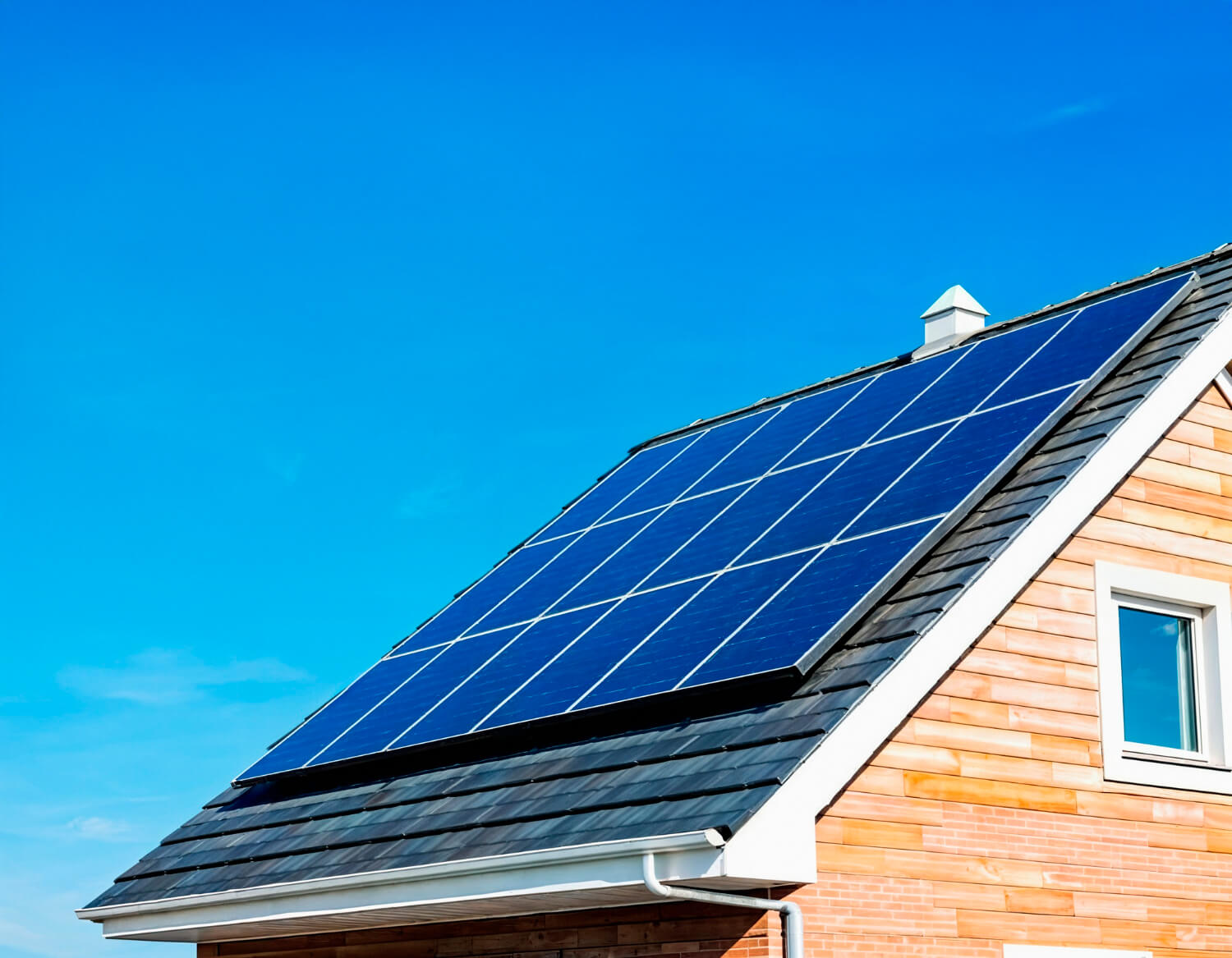
What many homeowners don’t realize is that roofing and solar systems function best when planned together. Solar mounting systems interact directly with roof structure, waterproofing layers, and ventilation design.
When coordinated properly:
-
Roof lifespan is preserved
-
Water intrusion risks are minimized
-
Energy efficiency improves
-
Installation costs can be optimized
Professionals who understand both structural roofing requirements and solar integration standards ensure long-term performance.
This collaborative approach reflects a broader shift in home technology — where systems no longer operate independently but work together as part of a connected infrastructure.
Energy Efficiency as a Long-Term Investment
Technology-driven home improvements are increasingly viewed through the lens of ROI (Return on Investment).
Roof upgrades and solar installations contribute to:
-
Lower monthly utility bills
-
Reduced carbon footprint
-
Increased home market value
-
Enhanced disaster resilience
-
Potential tax incentives and rebates
In warm climates, reflective roofing materials combined with solar energy production can significantly reduce cooling costs.
Additionally, insurance providers often view reinforced roofing systems favorably, especially in hurricane-prone areas. This can translate into lower premiums over time.
Smart Homes Start with Structural Integrity
The conversation around smart homes often focuses on devices — smart locks, AI assistants, connected appliances. Yet none of these innovations matter if the structural foundation is compromised.
A technologically advanced home must begin with:
- Structural durability
- Energy optimization
- Climate resilience
- Sustainable integration
Roofing and solar technology sit at the intersection of all four.
As building science evolves, we see increasing integration between roofing systems, insulation materials, ventilation design, and renewable energy components.
This systems-thinking approach reflects how technology is reshaping construction standards worldwide.
Sustainability and the Cultural Shift Toward Renewable Living
Beyond the economic advantages, there is a cultural shift toward sustainable living. Younger generations prioritize eco-conscious housing decisions. Renewable energy adoption is no longer a trend — it’s becoming an expectation.
Homes equipped with solar systems and durable roofing solutions often stand out in competitive real estate markets.
Sustainability also enhances community resilience. When neighborhoods adopt renewable energy collectively, they reduce strain on local power grids and contribute to long-term environmental stability.
Technology plays a central role in enabling this transition.
Planning Ahead: When to Upgrade Your Roof Before Solar Installation
Experts recommend evaluating roof condition before installing solar panels. If a roof has less than 10–15 years of expected lifespan remaining, replacement or significant repair may be advisable first.
Key signs a roof may need attention:
-
Curling or missing shingles
-
Persistent leaks
-
Visible sagging
-
Mold or mildew growth
-
Rising energy bills without explanation
By addressing roofing issues first, homeowners avoid the added cost of removing and reinstalling solar panels later.
Long-term planning prevents short-term mistakes.
The Future of Roofing and Solar Technology
Emerging innovations are already shaping the next decade of residential infrastructure:
-
Solar-integrated roof shingles
-
AI-powered energy monitoring systems
-
Advanced storm-resistant materials
-
Battery storage integration for outage protection
-
Smart grid connectivity
As technology advances, homes will increasingly function as micro energy hubs rather than passive consumers.
For coastal homeowners especially, investing in durable roofing and renewable energy solutions is not just a practical choice — it’s a strategic one.
Final Thoughts
Technology continues to redefine what it means to own a modern home. In regions exposed to extreme weather and rising energy costs, roofing and solar solutions represent a powerful combination of protection and innovation.
By viewing roofing as infrastructure and solar as integrated technology, homeowners can enhance safety, efficiency, and long-term value.
Smart investments today create resilient homes for tomorrow.