

Weight loss may seem complicated, but it rests on a few simple principles everyone can understand. At its core, it’s about balancing what you eat, how you move, and how your body responds over time. Learning these basics helps you avoid trendy diets and focus on what actually drives long‑term results. This article explains the key concepts in simple terms so you can build a smarter, more sustainable approach to reaching your goals.
What Actually Causes Weight Loss
Weight loss happens when your body uses more energy than it takes in over time. This creates a calorie deficit, forcing your body to pull from stored fat for fuel. The deficit can come from eating slightly less, moving more, or a combination of both—consistency is what matters most.
Other factors like hormones, sleep, stress, and metabolism influence how easily this happens, but they don’t override the basic energy‑balance principle. Understanding this simple mechanism helps you focus on sustainable habits instead of chasing complicated shortcuts or miracle solutions.
Calories In vs Calories Out (Simplified)
“Calories in vs calories out” means your weight depends on the balance between the food you eat and the energy you burn. If you regularly eat more calories than your body needs, you’ll gain weight; if you eat slightly less or burn more through activity, you’ll lose it over time.
This isn’t about counting every bite perfectly, but about being aware of portion sizes, food quality, and activity level. When you manage this balance in a simple, realistic way, weight loss becomes predictable and sustainable instead of confusing or frustrating.

Why Sleep and Stress Matter
Poor sleep and high stress can quietly sabotage weight loss, even when you “eat right” and exercise. Lack of sleep disrupts hunger hormones, increases cravings for sugar and junk food, and lowers energy for physical activity. Chronic stress raises cortisol, which can promote fat storage and make it harder to stick to healthy habits.
While many people search for “celebrity diet secrets,” the real keys are often regular sleep, stress management, and simple daily routines. Prioritizing rest and mental well‑being creates a more stable body and mind, making long‑term weight control much easier.
The Role of Protein and Fiber
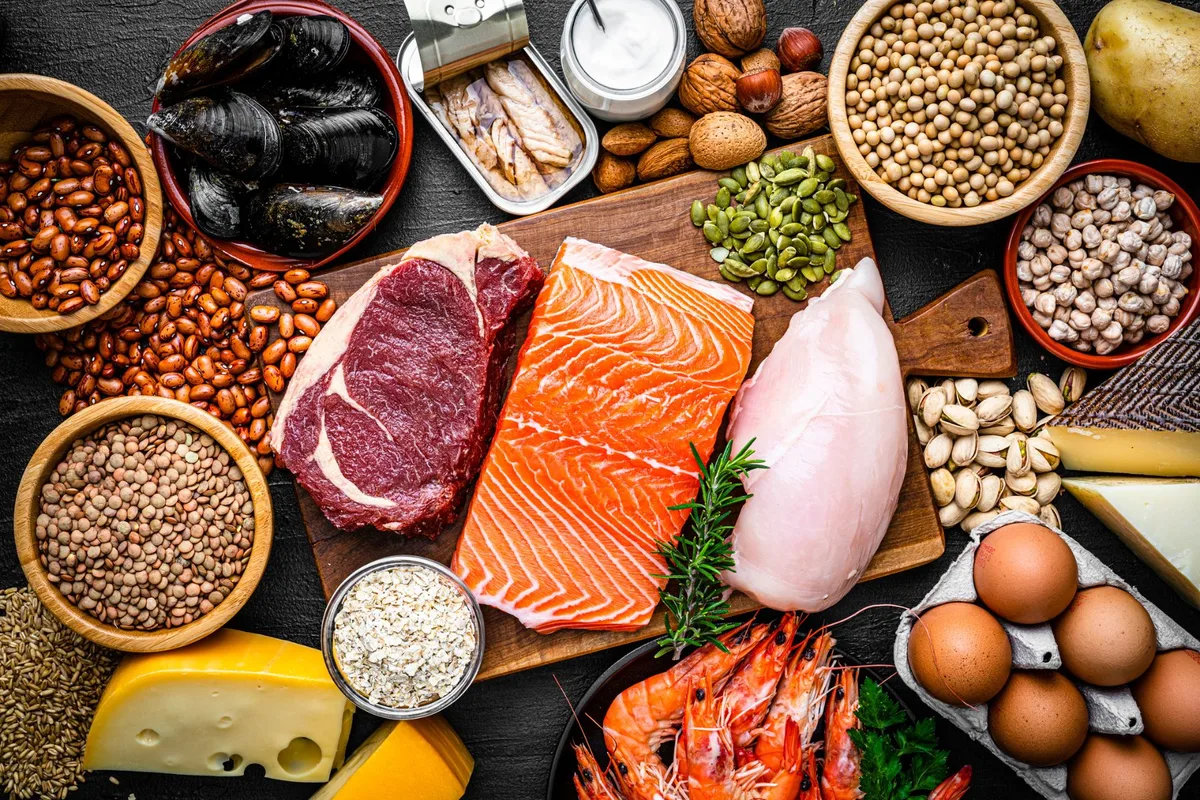
Protein and fiber play a powerful role in making weight loss easier and more sustainable. Protein increases satiety, helps maintain muscle mass, and supports a slightly higher calorie burn during digestion. Fiber slows digestion, stabilizes blood sugar, and reduces cravings by keeping you full longer on fewer calories.
By including lean protein sources and high‑fiber foods like vegetables, legumes, and whole grains in your meals, you naturally reduce hunger and snacking. This simple change makes it easier to stick to a healthy routine without feeling deprived or obsessed with counting every bite.
Building Simple Daily Habits
Long‑term weight loss comes from small, repeatable habits built into your daily routine. Instead of complicated rules, focus on one or two simple changes—like drinking more water, eating a protein‑rich breakfast, or taking a short daily walk. Over time, these small actions become automatic and create a solid foundation for better health.
The key is consistency, not perfection. When habits feel easy and realistic, you’re more likely to stick with them for months and years, which is what actually leads to lasting results.