
Energy has always been at the heart of economic development. From coal-powered factories of the Industrial Revolution to oil-driven globalization, the availability and control of energy resources have shaped industries, geopolitics, and business strategy. Today, the energy sector is undergoing one of the most significant transformations in its history. The global transition toward cleaner, more sustainable energy sources is not only an environmental imperative but also a fundamental business shift redefining markets, investment priorities, and competitive advantage.
Energy as a Strategic Business Asset
For decades, energy was treated primarily as a cost center—an operational expense to be managed and minimized. In the modern business landscape, energy has become a strategic asset. Companies increasingly recognize that how they source, use, and manage energy affects brand reputation, regulatory compliance, and long-term profitability.
Energy resilience and security are now critical concerns. Volatile fuel prices, supply chain disruptions, and geopolitical tensions have exposed vulnerabilities in traditional energy models. Businesses are responding by diversifying energy sources, investing in on-site generation, and adopting long-term energy procurement strategies that provide cost predictability and operational stability.
The Rise of Renewable Energy in Business
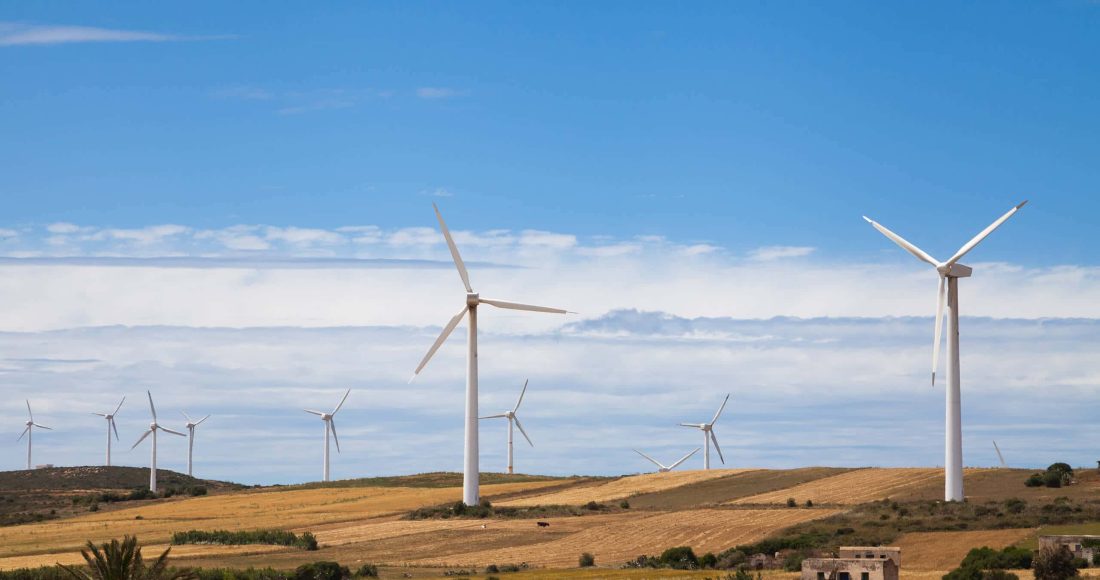
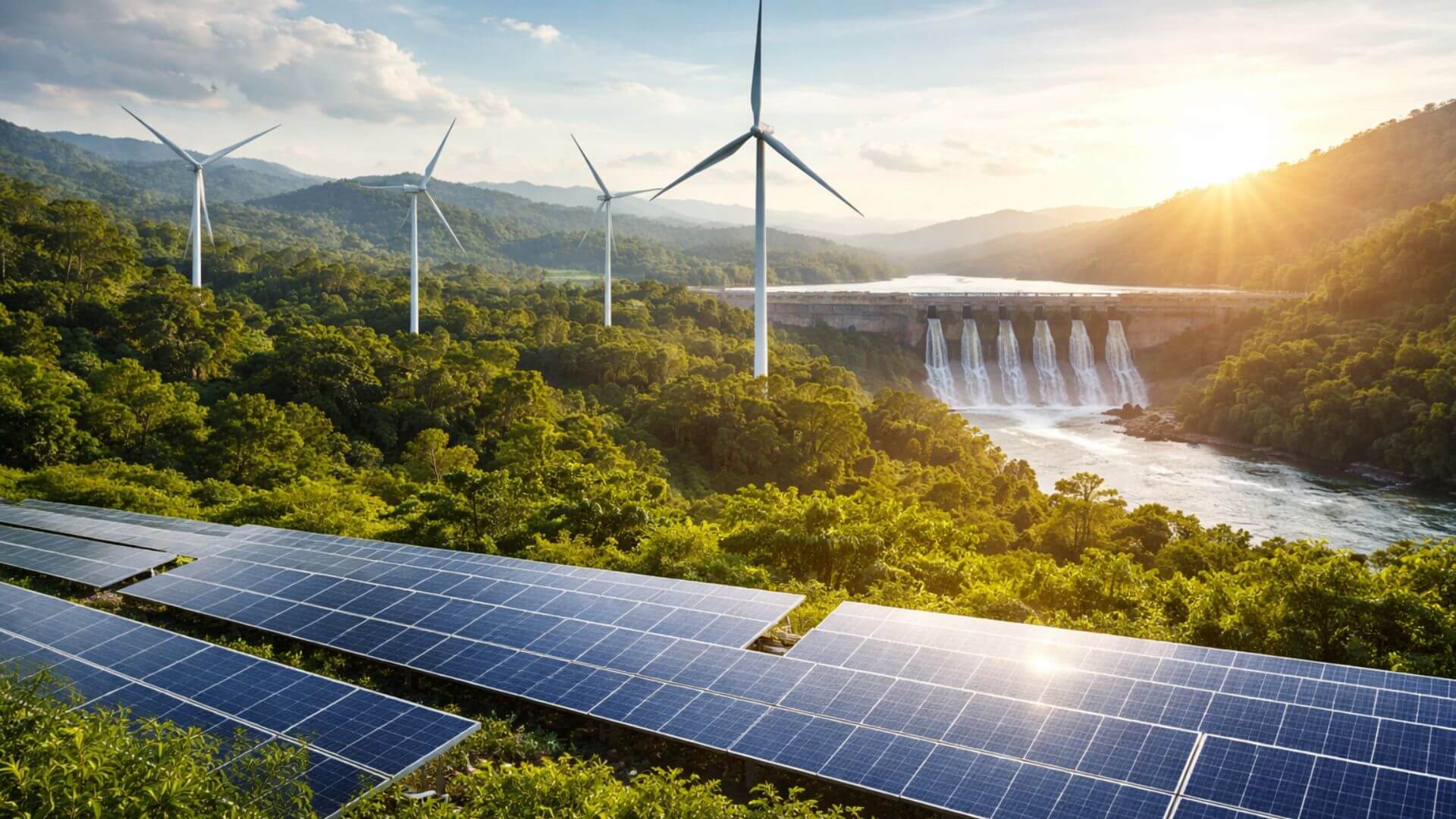
Renewable energy has moved from the margins to the mainstream of business strategy. Solar, wind, hydro, and geothermal energy are no longer niche solutions but competitive alternatives to fossil fuels. Declining technology costs, government incentives, and growing investor pressure have accelerated corporate adoption of renewables.
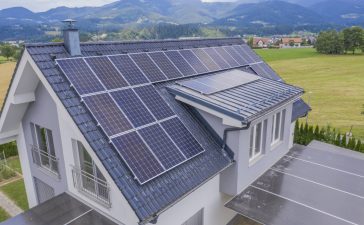
Many large corporations now commit to 100% renewable energy targets through power purchase agreements (PPAs) or direct investments in renewable infrastructure. These initiatives not only reduce carbon emissions but also hedge against future energy price volatility. For small and medium-sized enterprises, distributed energy solutions such as rooftop solar and community energy projects are becoming increasingly accessible, enabling broader participation in the energy transition.
Energy Transition and Competitive Advantage
The energy transition is creating clear winners and losers across industries. Companies that proactively adapt gain a competitive edge through lower operating costs, improved efficiency, and stronger alignment with environmental, social, and governance (ESG) criteria. Investors are increasingly evaluating companies based on sustainability performance, making energy strategy a key factor in access to capital.
In contrast, businesses that rely heavily on carbon-intensive processes face rising regulatory risks, carbon pricing mechanisms, and reputational challenges. Transitioning to cleaner energy is no longer just about compliance—it is about future-proofing operations and remaining relevant in a rapidly evolving market.
Digitalization and Energy Management
Digital technologies are transforming how businesses consume and manage energy. Smart grids, artificial intelligence, and advanced analytics enable real-time monitoring, demand forecasting, and optimization of energy use. These tools allow companies to identify inefficiencies, reduce waste, and respond dynamically to changing energy prices.
Energy management systems integrated with digital platforms support data-driven decision-making at the executive level. As energy markets become more complex, digitalization provides the transparency and agility businesses need to navigate uncertainty and maximize value from energy investments.
Decentralization and New Business Models
The traditional centralized energy model is giving way to decentralized systems where energy is produced closer to where it is consumed. This shift is opening new business opportunities and revenue streams. Microgrids, energy storage solutions, and peer-to-peer energy trading are redefining the relationship between producers, consumers, and utilities.
Businesses are no longer passive energy consumers; many are becoming “prosumers,” generating their own energy and selling excess power back to the grid. This decentralization enhances energy resilience and creates more flexible, localized energy ecosystems that benefit both companies and communities.
The Role of Policy and Regulation
Government policy plays a crucial role in shaping the business energy landscape. Regulations related to emissions, energy efficiency, and renewable targets influence investment decisions and operational strategies. While policy uncertainty can pose challenges, clear and consistent frameworks provide businesses with the confidence needed to invest in long-term energy solutions.
Carbon markets, subsidies, and tax incentives are powerful tools driving corporate energy transformation. Companies that understand and anticipate regulatory trends are better positioned to capitalize on incentives while avoiding compliance risks. Strategic engagement with policymakers and industry associations has become an important aspect of energy leadership.
Energy Storage and Grid Flexibility
One of the key enablers of the energy transition is energy storage. Batteries and other storage technologies address the intermittency of renewable energy, ensuring reliability and grid stability. For businesses, storage offers the ability to manage peak demand, reduce energy costs, and maintain operations during outages.
As storage technologies continue to advance, they will play a central role in corporate energy strategies. Coupled with renewable generation, energy storage transforms energy from a variable input into a controllable asset, enhancing both economic and operational performance.
Workforce Transformation in the Energy Sector
The energy transition is also reshaping the workforce. New roles are emerging in renewable engineering, energy analytics, sustainability management, and grid modernization. Businesses must invest in reskilling and upskilling employees to remain competitive in a changing energy landscape.
At the same time, traditional energy sectors face workforce displacement challenges. Responsible businesses are recognizing the importance of a “just transition,” ensuring that workers are supported through training, redeployment, and social protections. Talent strategy is becoming an integral part of energy strategy.
ESG, Reputation, and Stakeholder Expectations
Energy choices increasingly influence corporate reputation. Customers, employees, investors, and partners expect businesses to demonstrate environmental responsibility and transparency. Energy performance metrics are now standard components of ESG reporting, shaping stakeholder perceptions and trust.
Companies that communicate their energy strategies clearly and authentically strengthen brand credibility. Greenwashing, however, poses significant risks. Authentic action, backed by measurable outcomes, is essential for maintaining stakeholder confidence in an era of heightened scrutiny.
The Future of Business and Energy
Looking ahead, the relationship between business and energy will continue to evolve. Innovation in hydrogen, carbon capture, and advanced renewables promises to further disrupt markets. Energy will become more integrated into core business strategy, influencing decisions from supply chain design to product development.
The companies that succeed in this new energy era will be those that view energy not as a constraint but as an opportunity. By embracing flexibility, investing in innovation, and aligning energy strategies with broader business goals, organizations can drive sustainable growth while contributing to global energy security and climate goals.

Conclusion
The global energy transition represents one of the most significant business transformations of the 21st century. It challenges traditional models while creating unprecedented opportunities for innovation, efficiency, and value creation. For businesses across all sectors, energy strategy is no longer optional—it is central to competitiveness, resilience, and long-term success.
By integrating clean energy, digital tools, and forward-looking policies into their operations, businesses can not only adapt to change but lead it. In doing so, they will help shape an energy system that is more sustainable, resilient, and aligned with the demands of a rapidly changing world.